B2B buyers follow patterns—consumers chase impulses
One of the age old questions is, “What is the difference between B2B selling and B2C selling?” The short answer is, "The pattern associated with each."
For example, the pattern for a consumer is likely to vary widely if he/she is buying candy or a car; however, the pattern for companies buying enterprise software is similar almost all the time.
The likelihood that a consumer might buy on impulse drives the ad business. For example, you see an ad for MacDonalds on TV and it makes you hungry for a burger, while an ad for SAP doesn’t directly drive a buying motion for a company.
Consumers can buy any number of ways: ads, referrals, and promotions, to name just a few sales triggers.
Companies have to make four decisions when they buy software: do I have a need, from which company should I buy, build vs buy and, finally, how to prioritize a finite amount of money.
Other than perhaps consulting with a spouse, there are not others involved in the consumer’s buying decision, while corporate buying processes usually involve multiple levels within an organization, potentially including committees and/or boards of directors.
Recognizing the buying process patterns of companies involves recognizing what matters most to companies, which is ROI (Return on Investment). Customers outwardly focus on price, but internally are driven by value received; so much so that CFO’s often stack rank projects based on expected ROI when determining which efforts to fund.
Too many vendors get sucked into the price trap, assuming that lowest price wins. In actuality, free (the ultimate low price) is often full value and customers understand this very well. Allowing focus to drift from value to price occurs when the vendor has failed to assign the specific value driven by its unique capabilities confirmed by the customer.
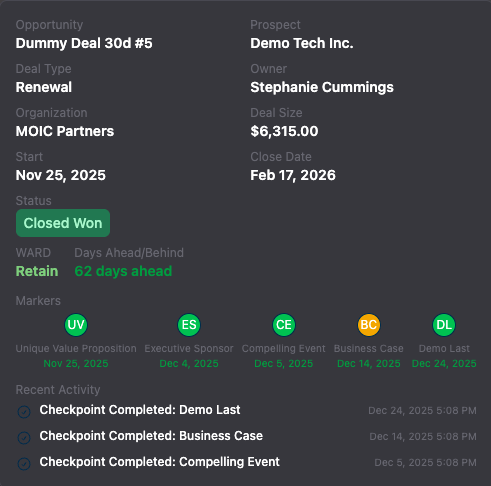
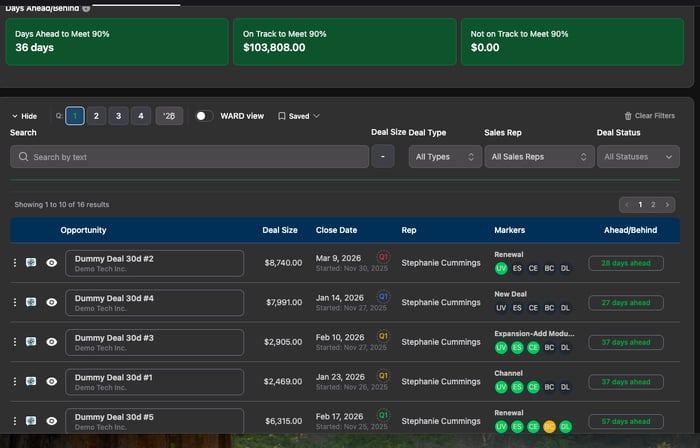
Therefore, retaining sales focus on the business case for our software, driven by our demonstrable unique capabilities is the most predictable method for forecasting sales. After all, we want to know both: are we going to win AND when is the deal likely to close.
If your sales team struggles to remain focused on value, log in to MOIC Pipeline Grader at www.moicpartners.com.