In enterprise sales, timing isn’t tactical—it’s decisive.
There are many situations where the order of activities matters. For example, the district attorney always presents his/her case first and the home team always bats last.
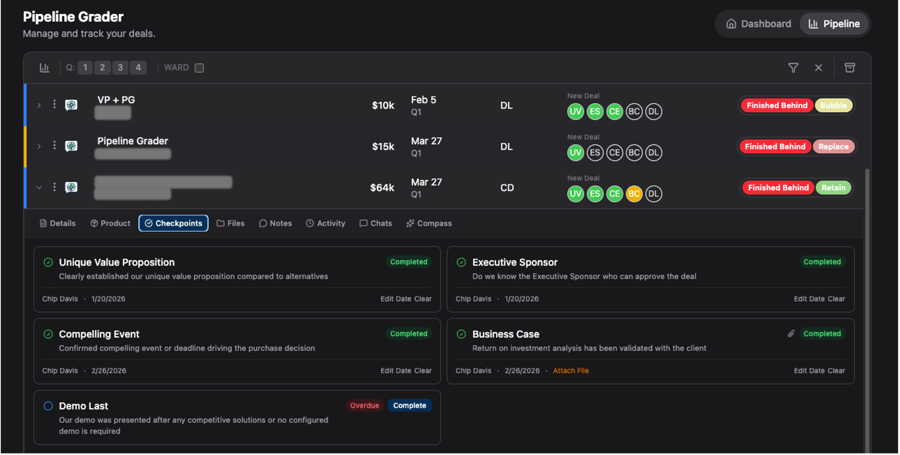
In enterprise software sales, the order of various activities also matters. For example, ideally, we do discovery first, but demo last. The expression goes, “whoever says it first is right.” But if we want to explain our value proposition first, why is it mandatory that we demo last?
Simply put, we need to control the sales narrative and understanding the psychology of the optimal order of activities is critical to our success. For example, we want to do detailed discovery first, so we can establish the sales narrative and position our unique capabilities as the most important capabilities, but we need to demo last, as “the last word is the best word” reaffirming our sales message, so that we can’t get “me too-ed” by competition.
The economics of demo-ing last are well documented, as the vendor that demos last wins close to 100% of the time. The numbers are so compelling that if the customer won't allow you to demo last, you might as well withdraw from consideration, because the customer schedules the vendor they want to win in the final demo slot.
As it relates to discovery, establishing the our unique features that are driving our unique business case before the competition positions their unique features is important, but not as critical as demo-ing last. If our unique features drive a business case that is the most compelling, doing discovery first may not matter, but it remains very helpful.
Along the way, we need to constantly verify the validity of the information we receive from the customer, so we don't develop "happy ears" and believe just what we want to hear. Every tidbit of useful data needs to validated by at least one other source before we can truly believe it to be true. This validation process is generally referred to as "triangulation." By triangulating every fact we receive, we can be more confident in our decision to pursue the opportunity. On the other hand, if by triangulating facts it turns out that our position is weak, we use that data to withdraw from the opportunity, or at the very least, adjust our strategy accordingly.
In the enterprise space, winning is binary and losing might mean that the opportunity may be off the market for a decade or longer. In an effort to win at least 90% of the deals we pursue to conclusion, we need to be mindful of the order of our activities relative to the competition and the manner in which we verify and validate the information we learn. Correspondingly, we can use the data to withdraw from all deals that we determine are either not going to make a decision or where we are not in the winning position. Either way, we stand to close 90% of our forecasted deals in the timeframe we predict, which has a positive impact on our exit multiple.
If your SaaS team does not consistently discover first / demo last and continually triangulates facts, I suggest you log into MOIC Pipeline Grader at www.moicpartners.com where these practices are strictly enforced in an AI-based system.