
Enterprise SaaS teams must move beyond surface-level targeting to align pricing strategy with how customers actually buy.
The logic rule of modus ponens tells us that if A equals B and B equals C, then A equals C. In the SaaS world, salespeople often assume that if their software was designed for chemical companies and a given prospect is a chemical company, then our software must be a fit for them.
Unfortunately, this logic is flawed for a variety of reasons, one of which is pricing fit. For example, a company that always pursues the lowest price as the primary criterion when buying software, even if it’s in our target market, is a bad fit for a premium software product that sells based on business value.
Similarly, the opposite is also true. Selling the lowest priced software to a company that values premium products based on its delivered value instead of its low price is also a bad fit.
The key is determining an understanding of our winning message (low price or value based) to determine a more defined target market beyond the superficial industry type or company size. Using Compass by MOIC allows a SaaS company to incorporate nuanced buying criteria into a sales process to determine whether or not they are talking to people who actually want to talk to them and not dragging them along in a competitive process where there is no real chance of victory.
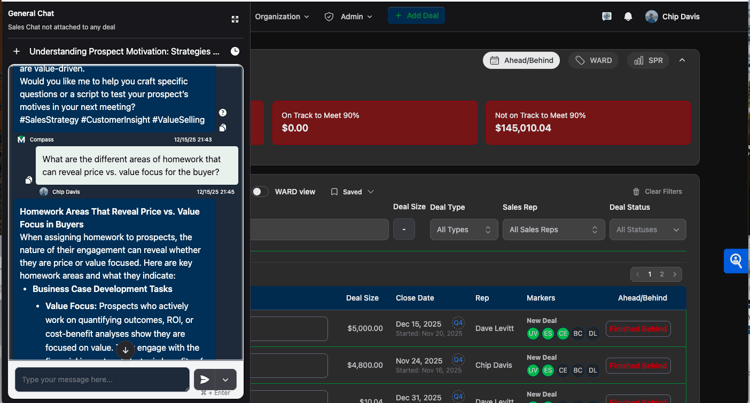
If your company struggles to qualify prospective customers based on second and third level buying criteria, check out www.moicpartners.com and how Compass might accelerate salesperson success.

.jpeg?width=352&name=Photo%20-%20shutterstock_1972218197%20(small).jpeg)